
In a city like Cambridge, where there are architectural marvels ranging from historic homes to modern extensions, you will find a variety of roofing styles on properties. The selection of the right roofing style is essential as it helps ensure the durability and performance of the roof. Among the different roofing styles, flat and pitched roofs are the two most popular; however, they are suited to different types of properties. For ideal roofing in Cambridge, get in touch with professional and experienced roofers who can help you select the right style.
What is a flat roof?
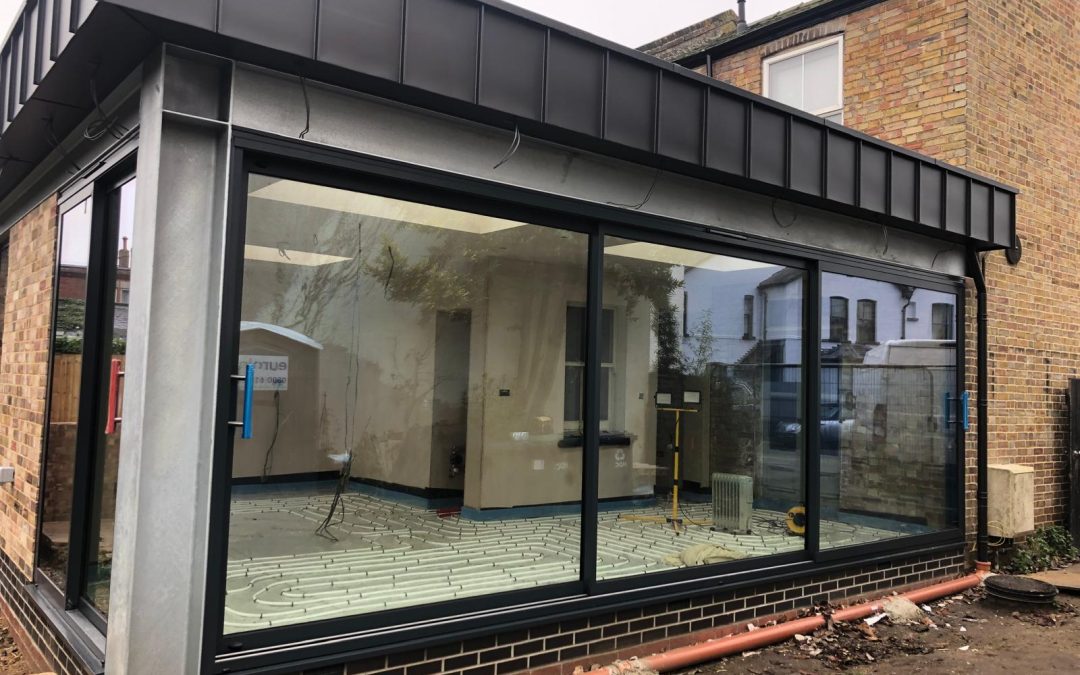
Flat roofing systems are used especially for extensions in a property. For instance, if you need a roof for the home extension, garage or the contemporary parts of the property, then a flat roof is the best choice. Contrary to the name, these roofs have a sloped pitch for water drainage. Local roofers prefer to use EPDM rubber and fibreglass for flat roofs because they make the roof more durable and improve performance.
What are the advantages of a flat roof?
Flat roofs are affordable since very little material is required for their installation. They have a simple structure, which makes inspections easy. You can easily repair a flat roof and use the additional space for gardening or other rooftop features.
What are the disadvantages of a flat roof?
From a professional standpoint, roofers believe a flat roof may cause water to pool if it is not installed correctly. Moreover, if the roof drainage system is not working, water can pool on the roof, which shortens the lifespan of your flat roof.
What is a pitched roof?
These roofs are common in residential landscapes, especially in older properties. They have an angled, pitched design that allows water to run off the roof efficiently.
What are the advantages of a pitched roof?
Roofing specialist always prefer installing these roofs because of their long lifespan. They are constructed from durable materials such as slate and clay tiles. These roofs do not deteriorate for decades and require minimal maintenance to remain durable. Moreover, these roofs provide excellent insulation and keep the temperature under control.
What are the disadvantages of pitched roofs?
Higher initial installation costs are the biggest disadvantage of these roofs. The installation of pitched roofs requires more materials than a flat roof. Moreover, you need to hire skilled roofers for the task.
What are the key considerations for properties?
Local expertise
If you need a quick roofing solution, then a flat roof is your best bet. You can get it installed by the local roofers near you.
Climate considerations
If your region experiences continuous rainfall and snowfall throughout the year, then pitched roofs are naturally the best option for you. With a flat roof, you’ll have to rely on proper drainage.
Budget and value
Think beyond the initial expenses before installing a roof. While pitched roofs might be expensive, they will provide long-term value without maintenance costs. Hence, you will save in the long run.
Expert guidance from roofers for the best results
Both flat and pitched roofs have their own sets of advantages. Consult Carl Dunn Building & Roofing Ltd for expert advice on the type of roofing service that you should avail. Get in touch with us for advice.